The Truth About AI in Post-Production: It’s Not Taking Control Away. It’s Giving It Back.
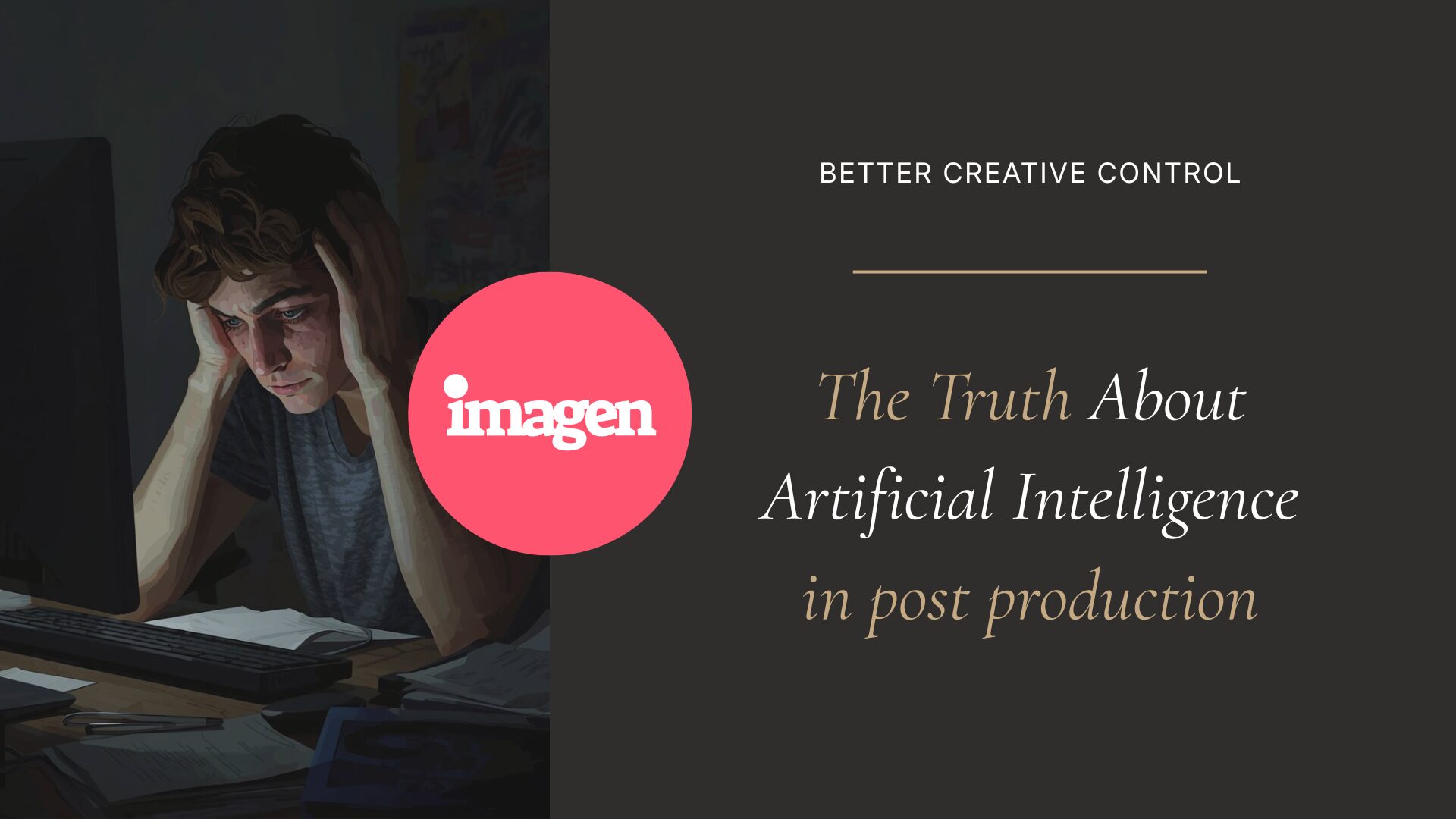
There’s a lot of weird energy around AI in photography right now.
A lot of skepticism. A lot of fear. A lot of people acting like using AI in your workflow somehow means you are watering down your art or taking something away from what it means to be a photographer.
And honestly, I get why people feel that way.
Because the questions are valid.
Is this going to make my work look like everyone else’s?
Am I giving up my creative voice?
Is this actually helping me, or is it a shortcut that compromises on quality?
At what point does photography stop feeling like photography?
Those are real questions.
But from everything I’ve seen through shooting, editing, teaching, and paying attention to what photographers are actually struggling with, AI is not the thing killing your creativity.
If anything, it is one of the best tools for protecting it.
Imagen AI is our favorite culling/editing platform
We have tried several different AI editing platforms multiple times over the last few years, and Imagen has been the clear winner, especially in terms of how good it is at learning how you edit.
The real issue is not that photographers cannot edit
The real issue is that most photographers are spending way too much time doing work they already know how to do. The repetitive, mundane, thoughtless work.
It is the same decisions over and over.
Fixing exposure. Tweaking white balance. Correcting skin tones. Matching one part of a gallery to another. Reworking edits you basically already solved three weddings ago.
That is where so much of the burnout comes from.
Not because editing is bad. Not because details do not matter. But because so much of the process becomes repetitive, inconsistent, and mentally draining.
One gallery feels a little too warm. The next one feels too cool. Indoor skin tones are way off. You batch paste a preset, but it only works on a quarter of the gallery. You rework everything manually. Start second guessing yourself.
And by the end of it, you are creatively fried.
THAT is the real problem.
Because where do we actually thrive as photographers? For 95% of us, it’s behind the camera, not behind the computer.
And frankly, I think editing has become a crutch for a lot of us over the last decade or so. “Fix it in post” sounds great, but it takes away from intentionally creating art in the moment.
Imagine a world…
Editing is under control. You don’t feel overwhelmed by a queue of galleries. You can focus your time and energy on lighting, composition, creative techniques. You feel like an artist again.
The smartest use of AI is not handing over control
It is teaching the software how you see.
That is the part a lot of people miss.
When you build an AI Profile in Imagen, you are not just slapping on some generic look and hoping it works. You are training it based on your actual edits. Your preferences. Your tendencies. Your eye.
How you like your tones. How you handle skin. How you balance contrast. How you expose. How your work is supposed to feel.
So now instead of opening a gallery and starting from zero every single time, you are starting way closer to the finish line.
That is a huge difference.
Because now AI is not replacing your taste. It is learning from it.
Consistency matters way more than people think
And not just because it looks professional.
Consistency is one of the biggest parts of having a recognizable brand.
It is part of what makes your work feel like yours.
It is part of why someone can see an image and know it came from you.
And one of the hardest things during a busy season is that edit drift starts creeping in. Your style shifts a little without you even realizing it. Maybe because you are tired. Maybe because lighting changes. Maybe because you are just trying to get through it all faster.
That is where AI can actually help a lot.
Not by changing your style, but by helping you stay more locked into it.
You are still the one in charge. You are still the one making final decisions. You are still the one refining and adjusting what needs your eye.
But now you are not wasting all your energy getting the gallery into the general ballpark.
The features matter, but only because of what they remove
This is not just about speed for the sake of speed. It is about getting repetitive friction out of your way.
Exit sign removal
This is such a perfect example of the kind of thing that eats time and gives almost nothing back creatively.
You get an amazing moment, but there is some ugly glowing exit sign pulling your eye immediately.
That is not the kind of edit that requires your artistic genius. It is just annoying. So if AI can detect and remove that kind of distraction automatically, great. That is exactly the kind of task I want off my plate.
Non-destructive denoise
Low light is part of the job. Grain is part of the job.
What matters is whether the fix destroys the image in the process.
The nice thing here is that it is non-destructive, which means you are not stuck with the result if you do not like it. You can tweak it, refine it, or back it off. That matters a lot.
Cropping and straightening
Cropping sounds small until you are doing it hundreds of times.
When it is done well, it makes the whole gallery feel cleaner and more intentional. It helps with consistency, flow, and composition. And again, it takes one more repetitive task off your plate so your energy can go where it actually matters.
Color grading that still feels like you
This is where I think a lot of photographers get nervous, and honestly, this is where they should be picky.
Because nobody wants their work run through some system that makes everything look generic.
But that is what is so important about AI being trained on your edits.
Your golden hour photos should still feel like your golden hour photos. Your receptions should still feel like your receptions. Your cloudy day ceremonies should still feel cohesive with the rest of your work.
That is the goal. Not fake consistency. Real consistency that still feels true to your style.
Bulk editing used to feel risky
Now it feels a lot more like starting ahead.
That is the mindset shift.
It is not “apply and pray.”
It is apply, review, refine.
You are still involved. You are still shaping the final result. You are just not wasting hours on the parts that do not need your full attention.
What this actually gives you back is bigger than time
Yes, it saves time.
But honestly, time is only part of it.
What it really gives you back is energy. Capacity. Headspace.
It gives you more room to shoot more if you want to. Or rest more if you need to. Both matter.
It gives you more creative energy for the images that actually deserve it.
It gives you more consistency across your client experience.
It helps you scale without feeling like your business is eating your entire life.
And maybe most importantly, it gives you back some confidence in your workflow. You are no longer reinventing the wheel every single time you open Lightroom.
If you are trying to grow, whether that means taking on more weddings, building education, doing brand deals, speaking, or just getting your life back a little, you cannot be stuck behind your computer doing endless repetitive edit work forever.
That is not sustainable.
And it is definitely not the highest value use of your time.
This is not about replacing photographers
It is about removing the stuff that is not really the art.
The repetitive clicking. The tiny technical corrections. The back and forth. The inconsistency. The parts of the process that drain you without making the work better.
So you can put more of yourself into the parts that actually matter.
The story.
The emotion.
The connection.
The creative choices.
The things your clients are actually hiring you for.
That is why I think so many people are looking at this the wrong way.
AI is not the enemy of artistry.
Used well, it protects your artistry by getting everything else out of the way.
And that is the whole point.
The goal was never just to work harder.
It was to make better work, more consistently, with more freedom.
And if that sounds good to you, Imagen is worth trying. You can use this link to get 1500 free edits: imagenai.com/blogoffer
Imagen AI is our favorite culling/editing platform
We have tried several different AI editing platforms multiple times over the last few years, and Imagen has been the clear winner, especially in terms of how good it is at learning how you edit.